DTF Transfers vs UV DTF Transfers vs TPU Patches
DTF transfers, UV DTF, and TPU patches all print full colour — but they work differently. This guide explains what each is, what it sticks to, and when to use it.
Three finishing techniques. Three completely different results. This guide breaks down what each one is, how it works, and when you would pick one over the others.
What Are DTF Transfers?
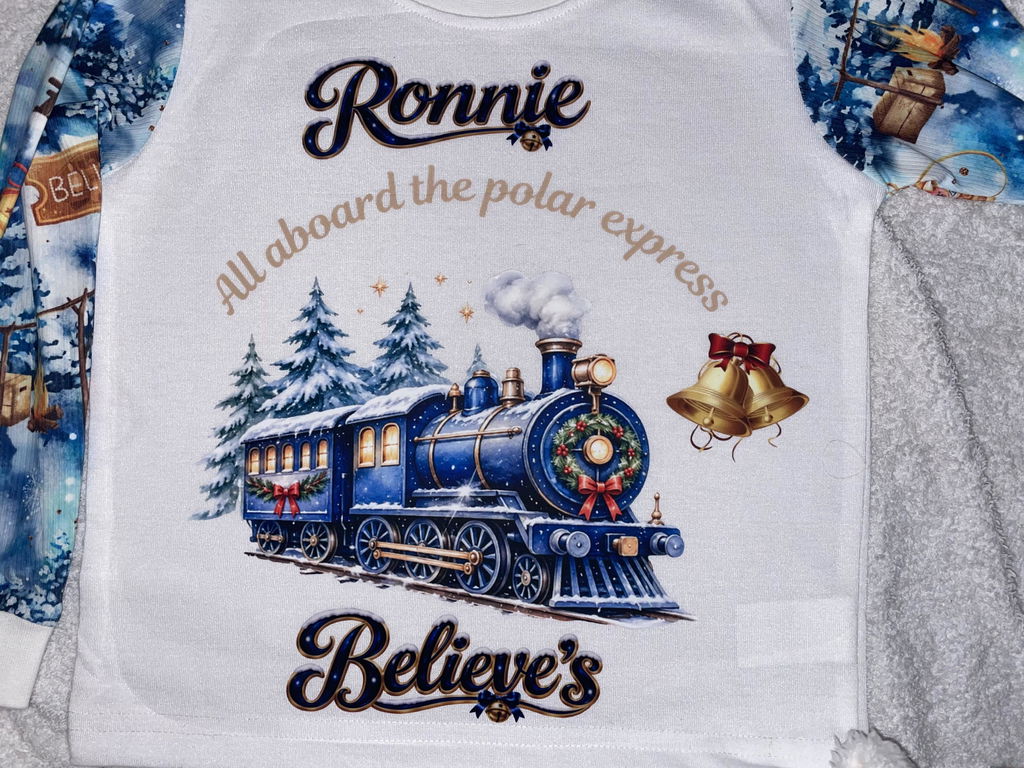
DTF (Direct to Film) transfers are printed onto a clear PET film using water-based inks, then coated with a hot-melt adhesive powder that bonds to the ink when cured. The finished transfer goes face-down onto your garment, and heat from a press fuses it on permanently.
How the process works:
- Print the design onto PET film (CMYK + white underbase)
- Apply adhesive powder while the ink is still wet
- Cure the powder in a shaker/dryer
- Heat press onto the garment at 150–165°C for 10–15 seconds
- Cold or hot peel — the film lifts away, leaving only the print
What you get: A full-colour, soft-hand print that sits into the fabric. Washes well, holds sharp detail, and works on cotton, polyester, blends, nylon, leather, and most other surfaces. No weeding, no colour limits, no minimum quantities.
What Are UV DTF Transfers?
UV DTF uses UV-curable inks instead of water-based inks, printed and cured instantly with an onboard UV lamp. The transfer goes onto a specialised film that acts as the carrier. No heat press is needed — you apply it by hand with pressure only.
How the process works:
- Print the design directly onto AB film (the A film is the carrier)
- UV lamps cure the ink instantly during printing
- Peel the A film to reveal a self-adhesive transfer
- Apply to the target surface by hand, pressing firmly
- Peel the carrier film — the design is left behind
What you get: A glossy, hard-surface sticker-style finish. UV DTF transfers stick to rigid or semi-rigid surfaces — glass, acrylic, metal, ceramic, leather, wood, packaging, drinkware — without any heat press. They look like a printed decal, not a fabric print.
What Are TPU Patches?
TPU (Thermoplastic Polyurethane) patches are laser-cut or die-cut panels of flexible plastic film, usually printed on DTF or UV DTF equipment, then applied with a heat press. The patch has a hot-melt adhesive backing and bonds to the garment as a raised, three-dimensional element.
How the process works:
- Print the design onto TPU film (typically DTF-printed or UV-printed)
- Cut to shape — laser, die-cut, or plotter
- Apply to the garment with a heat press (similar temps to DTF)
- The result is a solid, raised patch with a premium feel
What you get: A rigid or semi-rigid panel with a woven-label or badge-style look. TPU patches are thicker and more tactile than a flat DTF print. They are often used where embroidery or woven patches would go — chest logos, sleeve badges, collar tabs.
Head-to-Head Comparison
| DTF Transfers | UV DTF Transfers | TPU Patches | |
|---|---|---|---|
| Application | Heat press (150–165°C) | Hand pressure — no heat | Heat press |
| Surfaces | Fabric & textiles | Hard surfaces, drinkware, packaging | Fabric & textiles |
| Finish | Soft, matte, flexible | Glossy, hard, sticker-like | Rigid/semi-rigid, raised |
| Durability | 50+ wash cycles | Scratches over time on hard wear | Very durable, weather-resistant |
| Detail | Excellent — 1200 DPI+ | Excellent | Good (depends on cut precision) |
| Colour | Full CMYK + white | Full CMYK, vibrant gloss | Full CMYK + white |
| White ink | Built-in underbase | Optional | Built-in underbase |
| Setup | None — print and press | None — print and apply | Requires cutting step |
| Minimum run | 1 piece | 1 piece | 1 piece |
| Cost per unit | Low–medium | Low–medium | Medium–high (cutting time) |
When to Use DTF Transfers
Pick DTF when you are decorating soft goods at scale or on demand.
- T-shirts, hoodies, joggers, hats — any apparel
- Personalised orders (names, numbers, photos)
- Gang-sheet production runs
- Sublimation-unfriendly fabrics (cotton, dark garments)
- Any job that needs a soft hand and survives regular washing
DTF is the workhorse of the three. If your business is garment decoration, this is your everyday process.
When to Use UV DTF Transfers
Pick UV DTF when you are decorating rigid surfaces or non-fabric products.
- Drinkware: mugs, tumblers, water bottles, pint glasses
- Packaging and retail: product boxes, bags, mailers
- Stationery: notebooks, planners, folders
- Promotional products: phone cases, keyrings, coasters
- Short-run product branding without label printing minimums
UV DTF opens up product categories that a standard heat press cannot reach. If a customer wants their logo on a branded Stanley cup alongside their embroidered jackets, UV DTF is how you do both from the same studio.
When to Use TPU Patches
Pick TPU when you want a premium, three-dimensional badge feel on a garment.
- Brand labels and chest logos on outerwear and workwear
- Sport and team kit (sleeve badges, collar logos)
- Premium casualwear — anywhere an embroidered patch would go but you need full colour or photo detail
- Uniform programmes that need a consistent, branded look
TPU patches sit higher in perceived value than a flat DTF print. They are often the right choice when the customer is used to woven or embroidered patches but needs gradients, photos, or colours that embroidery cannot handle.
Which Gives the Best Wash Durability?
DTF transfers tested to 50+ wash cycles at standard temperatures hold up well, though aggressive hot washing, tumble drying, and industrial laundry can reduce lifespan. Cold wash, inside-out is the advice to pass to end customers.
UV DTF transfers are designed for hard surfaces, not repeated laundering. If applied to fabric, they will crack and peel. Do not use them on anything that goes through a washing machine.
TPU patches are the most durable of the three when properly applied. The thermoplastic material is water-resistant and flexible, and a well-adhered patch can outlast the garment itself. They are the right choice for workwear and outdoor clothing.
Can You Combine Them?
Yes — and many printers do. A common combination:
- DTF for the main print (full back or chest artwork)
- TPU patch for the brand label (sleeve or collar)
- UV DTF for the packaging (branded box or mailer)
All three can be produced from compatible equipment. If you have a DTF printer and shaker, you can run TPU patches through the same press. UV DTF requires a dedicated UV printer, but many shops add one alongside their DTF line to unlock the product category.
Summary
Use DTF for anything on fabric — it is versatile, affordable, and the right choice for most garment decoration.
Use UV DTF for hard surfaces — drinkware, packaging, and rigid promotional products that a heat press cannot reach.
Use TPU patches when the brief calls for a premium, raised badge aesthetic on clothing — especially workwear, sport kit, and branded outerwear.
All three produce full-colour results with no colour limits and no weeding. The choice comes down to substrate, finish feel, and what your customer needs to come away with.
Need transfers printed and ready to press? Browse our DTF Transfers, UV DTF Transfers, or get in touch if you are setting up your own production line.